
Dry Needling Physiotherapy Surrey | Intramuscular Stimulation (IMS)
Treat musculoskeletal pain and dysfunctions with dry needling.
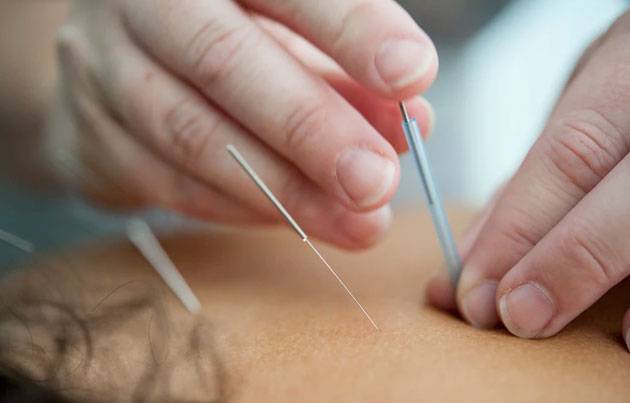
Dry needling is a technique used by physiotherapists and other healthcare disciplines to treat musculoskeletal pain and dysfunctions. The process involves the insertion of thin and solid needles into trigger points.
Dry needling can help to release muscle tension and alleviate pain. It is an effective treatment for those who are suffering from neck pain, lower back pain, and joint problems. Additionally, it helps to reduce stiffness in the muscles.
Types of Dry Needling Physiotherapy
- Intramuscular Stimulation
- Acupuncture
To End the Pain, Mend the Needles!
At Khalsa Physiotherapy Clinic, dry needling is used by expert practitioners who carefully perform the process. We have many patients in Surrey, BC to get relief from the pain. Our expert team helped many patients who are suffering from neck pain, back pain, tight muscles, muscle spasms, muscle strain, tendinitis, tennis elbow, golfer's elbow, and many more. Additionally, dry needling is also good if someone has postural problems.
Get the dry needling treatment before it leads to more damage to the body.
Does dry needling have any side effects?
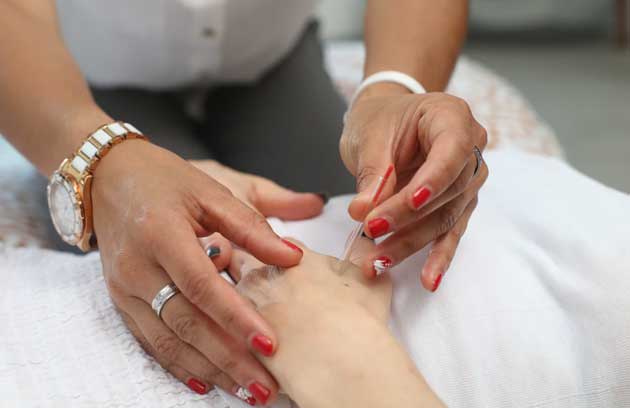
The results of dry needling may vary from person to person and the effectiveness also depends on the condition and injury of the person. Khalsa Physiotherapy has trained professional therapists for dry needling and also has some recorded potential benefits.
- Physiotherapists target trigger points to fulfill their primary role, which is to reduce pain. The dry needling process releases neurotransmitters such as endorphins that have pain-relieving effects. Dry needling is an effective treatment to alleviate the pain associated with musculoskeletal conditions.
- Twitch response while the insertion of the needles will promote muscle relaxation. It will reduce tension and improve flexibility. That ultimately improves the range of motion.
- By promoting oxygenation, stimulating blood flow, and nutrient delivery to the targeted tissues, this needling process will aid in the healing process. This promotes a faster recovery.
- Any partial or fully functional limitation can be improved with this therapy. It can help to reduce chronic muscle tightness and improve functionality. Restore your life with an expert dry needling physiotherapist in Surrey, BC.
We at Khalsa Physiotherapy Clinic complement dry needling with our physiotherapies like manual exercises, active rehab, etc. to make sure to provide a comprehensive approach. We initially assess the injury and diagnose the problem, then plan individualized treatment based on the musculoskeletal condition. Based on the condition, pain, or tension, some individuals will experience immediate relief. Otherwise, the duration of this therapy is one week.
FAQs
Dry needling is a physiotherapy technique used to treat muscle pain and tight trigger points. Fine, sterile needles are inserted into affected muscles to release tension, improve blood flow, and restore normal movement patterns.
Dry needling helps relieve muscle pain by targeting tight knots and trigger points that restrict movement. The technique stimulates muscle relaxation, improves circulation, and reduces pain signals, allowing muscles to function more effectively.
No, dry needling and acupuncture are different treatments. Dry needling is based on Western anatomy and focuses on trigger point therapy for muscle pain relief, while acupuncture is rooted in traditional Chinese medicine and energy pathways.
Dry needling may cause mild discomfort, such as a brief twitch or pressure sensation, but it is generally well tolerated. Most people experience reduced pain and improved movement shortly after treatment.
Dry needling is commonly used to treat muscle tightness, sports injuries, chronic pain, neck and back pain, headaches, and limited mobility. It is often combined with other physiotherapy treatments for better results.
The number of dry needling sessions depends on the condition and severity of symptoms. Some people notice improvement after a few sessions, while others may need ongoing treatment as part of a physiotherapy plan.
Yes, dry needling helps improve flexibility and range of motion by releasing tight muscles and reducing stiffness. This allows better joint movement and supports improved performance during daily activities and exercise.
Dry needling is safe when performed by trained physiotherapists. Mild soreness or slight bruising may occur after treatment, but these effects are temporary and usually resolve within a short time.
 imunify-bot-check