
Physiotherapy for Anterior Pelvic Tilt: Exercises, Treatment, and Recovery
Does your lower back look overly curved?
Do your hips feel tight after sitting for long hours?
These small signs are easy to ignore at first. You can still walk, sit, and go about your day. But over time, your posture starts to change. Your stomach may push forward, your back may feel stiff, and standing straight can become uncomfortable. This is often caused by anterior pelvic tilt, a common posture issue linked to modern lifestyle habits like prolonged sitting and poor movement patterns.
The good news is, it can be corrected. Your body has simply adapted, and with the right physiotherapy approach, it can return to a more balanced and natural position.
What Is Anterior Pelvic Tilt?
Anterior pelvic tilt happens when your pelvis tilts forward more than it should. This changes the alignment of your body and increases the curve in your lower back. The pelvis connects your upper body to your lower body. When it shifts out of position, it affects how you stand, walk, and move.
You may notice:
- Increased curve in the lower back
- Hips pushed slightly forward
- Difficulty maintaining upright posture
This condition is also called “anterior pelvic shift,” “anterior hip tilt,” or “anterior tilt of the pelvis.” It is not just about posture; it is about how your muscles are working together.
Why Does Anterior Pelvic Tilt Happen?
- Sitting for long hours without movement
- Tight muscles in the front of the hips
- Weak core muscles
- Weak glutes
- Poor posture habits
Common Symptoms of Anterior Pelvic Tilt
- Tightness in the hips
- Lower back discomfort
- Feeling of stiffness after sitting
- Difficulty standing straight
- Muscle fatigue during daily activities
Types of Pelvic Tilt
There are two main types of pelvic tilt:
- Anterior pelvic tilt – pelvis tilts forward
- Posterior pelvic tilt (post-pelvic tilt) – pelvis tilts backward
Both affect posture differently, but anterior tilt is more common due to modern lifestyles.
How Physiotherapy Helps Fix Anterior Pelvic Tilt
At Khalsa Physiotherapy, Surrey, physiotherapy treatment focuses on correcting the root cause, not just reducing discomfort.
1. Posture Assessment and Correction
Your physiotherapist checks how you sit, stand, and move. You learn how to keep your pelvis in a neutral position and avoid habits that increase strain.
2. Targeted Muscle Strengthening
Weak muscles are strengthened to support proper alignment.
Focus areas include:
- Core muscles
- Glutes
- Hamstrings
This helps your body maintain correct posture naturally.
3. Stretching Tight Muscles
Tight muscles pull the pelvis forward. Stretching helps release this tension.
Key areas include:
- Hip flexors
- Quadriceps
- Lower back
4. Movement Re-Training
You learn how to move correctly during daily activities like sitting, walking, and bending. This prevents the problem from coming back.
5. Core Stability Training
You are trained to control your core muscles, improving balance and coordination.
6. Personalized Treatment Plan
Your plan is based on your body, routine, and condition. This ensures safe and effective recovery.
7. Progress Tracking
Your physiotherapist monitors your improvement and adjusts exercises over time.
8. Education for Prevention
You learn simple habits to maintain posture and avoid future problems.
Best Exercises to Fix Anterior Pelvic Tilt
Recovery largely depends on the right exercises.
Strengthening Exercises
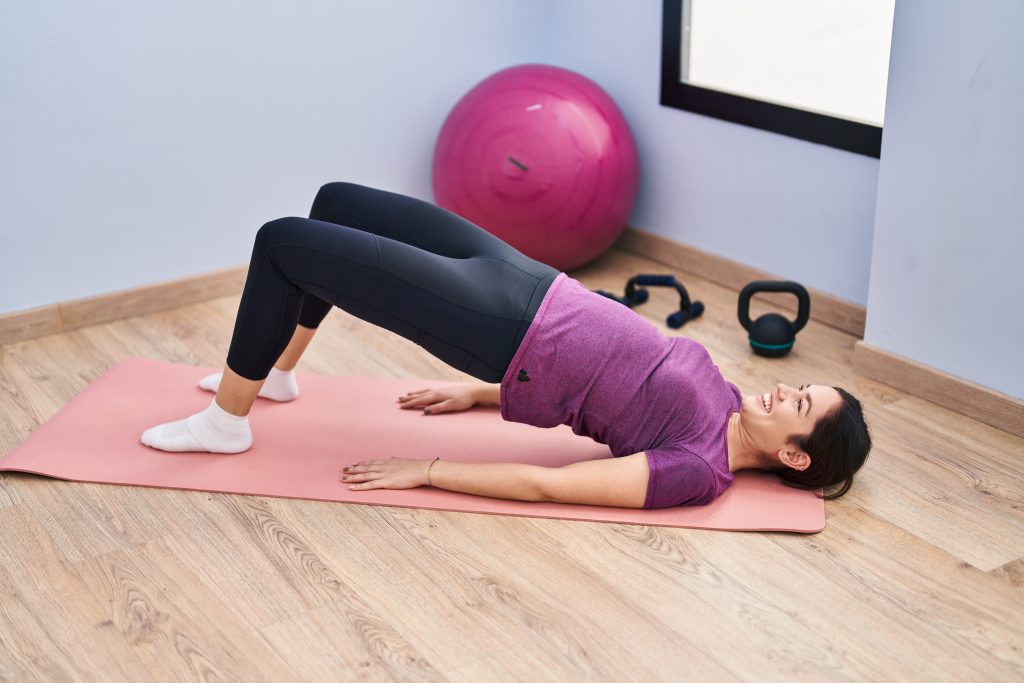
- Glute bridges
- Planks
- Dead bug
Stretching Exercises
- Hip flexor stretch
- Quadriceps stretch
- Lower back stretch
3. Stretching Tight Muscles
Tight muscles pull the pelvis forward. Stretching helps release this tension.
Key areas include:
- Hip flexors
- Quadriceps
- Lower back
Anti-Pelvic Tilt Exercises
These exercises help bring your pelvis back to a neutral position and improve posture over time. With consistency, many people notice visible changes similar to before and after female anterior pelvic tilt improvements.
How Long Does It Take to Correct Anterior Pelvic Tilt?
- 2–3 weeks → better awareness
- 4–8 weeks → visible improvement
- 2–3 months → strong correction
Daily Habits That Support Recovery
- Avoid sitting for long periods
- Take regular movement breaks,/li>
- Sit with proper posture
- Stay active during the day
- Stretch regularly
Conclusion
Your body is always responding to how you use it. If something feels tight, uncomfortable, or out of balance, it is not random; it is a signal. Ignoring it allows the imbalance to grow. But paying attention to it, even in small ways, can change how your body feels and moves.
You don’t need perfection. The right guidance, along with consistency, can make all the difference. With proper guidance from Khalsa Physiotherapy in Surrey, your body can return to a position where movement feels easier, posture feels natural, and you feel more confident in how you stand and move every day.
FAQs About Laser Therapy in Surrey
A pelvic shift happens when your pelvis moves out of its normal position due to muscle imbalance or posture issues. It can affect your alignment and lead to discomfort if not corrected early.
Most people start seeing improvement within a few weeks of regular exercise and physiotherapy. However, full correction may take a few months, depending on consistency and severity.
Anterior pelvic tilt occurs when the pelvis tilts forward, increasing the lower back curve. Posterior pelvic tilt occurs when the pelvis tilts backward, flattening the lower back and affecting posture.
It is mainly caused by tight hip muscles, weak core and glutes, and long periods of sitting. Poor posture habits over time also contribute to this condition.
You may notice a curved lower back, hips pushed forward, or difficulty standing straight. A physiotherapist can confirm it through a proper assessment.
Sit with your back straight, shoulders relaxed, and feet flat on the ground. Avoid slouching and try to keep your pelvis in a neutral position.
Yes, with regular exercises and proper posture habits, you can correct and maintain a healthy pelvic position over time.
Physiotherapy helps you follow the correct approach with proper guidance, making recovery faster, safer, and more effective.
 imunify-bot-check