
What Does Cupping Therapy Do? Benefits for Muscle Recovery Explained
Muscle pain and stiffness have become very common in today’s lifestyle. Many people in Surrey experience sore muscles due to long working hours, sitting for too long, gym workouts, sports activities, or physically demanding jobs. When muscles do not recover properly, it can lead to ongoing pain, reduced movement, and discomfort in daily life. That is why proper recovery is just as important as activity.
At Khalsa Physiotherapy in Surrey, we focus on treatments that help your body heal safely and naturally. One such treatment that has gained popularity is cupping therapy. It is simple, effective, and widely used to support muscle recovery and pain relief.
In this blog, we will explain what cupping therapy does, how it works, and why it is helpful for muscle recovery.
What Is Cupping Therapy?
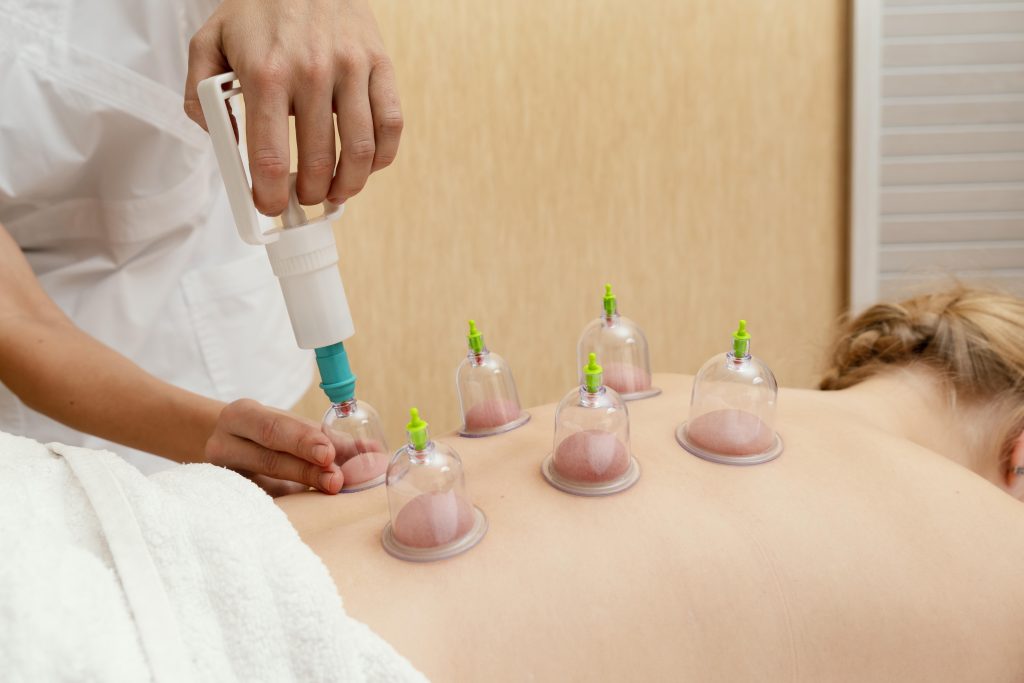
Cupping therapy is a traditional treatment that is now commonly used in modern physiotherapy. Special cups are placed on the skin to create gentle suction, helping boost blood circulation, relieve muscle tightness, and support natural healing. This suction lifts the skin slightly and increases blood flow to the targeted area.
The purpose of cupping therapy is to reduce muscle tension, improve circulation, and support the body’s natural healing process. Even though it may look unusual at first, it is a safe and effective method when performed by trained professionals.
How Does Cupping Therapy Work?
Cupping therapy works by creating suction on the skin, which pulls blood toward the treated area. This improved circulation helps deliver oxygen and nutrients to muscles while removing waste from tissues. The suction also loosens tight muscles and releases tension, allowing faster recovery. Often used alongside massage therapy, cupping stimulates both the skin and deeper tissues, supporting the body’s natural healing response.
The suction also helps loosen tight muscles and release tension. This allows the muscles to relax and recover faster. Cupping stimulates the skin and deeper tissues, supporting the body’s natural healing response. Cupping stimulates the skin and deeper tissues, supporting the body’s natural healing response.
Benefits of Cupping Therapy for Muscle Recovery
Cupping therapy offers many benefits for people dealing with muscle pain, tightness, or slow recovery. These are some of the key benefits.
Reduces Muscle Pain
Cupping therapy is well known for reducing muscle pain. The suction helps relieve pressure in tight areas and relaxes the muscles. It is often used for back pain, neck pain, shoulder tension, and sports injuries.
Improves Blood Circulation
Better blood flow is one of the main benefits of cupping therapy. When circulation improves, the muscles receive more oxygen and nutrients. This helps speed up the healing process and reduces soreness.
Speeds Up Muscle Recovery
Cupping therapy helps muscles recover faster after exercise or injury. It helps reduce muscle fatigue and promotes tissue healing. This makes it a popular treatment for athletes and active individuals.
Reduces Muscle Tightness and Stiffness
Tight muscles can make movement difficult and uncomfortable. Cupping helps release muscle knots and reduces stiffness. This improves flexibility and allows better movement.
Helps Reduce Inflammation
Inflammation is a common cause of pain and delayed recovery. Cupping therapy helps improve circulation, which may reduce inflammation and support healing in injured areas.
Promotes Relaxation
Cupping therapy not only helps the body but also relaxes the mind. Many people feel calm and relaxed after a session. It helps because stress can increase muscle tension.
Is Cupping Therapy Safe?
Cupping therapy is generally considered safe when performed by qualified practitioners. After the treatment, you may notice round marks on your skin. These are normal marks that will fade away in a few days.
At Khalsa Physiotherapy, we ensure that every treatment is done safely and hygienically. We also assess your condition before starting therapy to make sure it is the right option for you.
Who Can Benefit from Cupping Therapy?
Cupping therapy is suitable for many people who experience muscle pain or tension.
Office workers who sit for long hours often develop back and neck pain, and cupping can help relieve this discomfort. Athletes and gym-goers benefit from faster muscle recovery and reduced soreness after workouts. People with chronic pain conditions can also use cupping therapy as part of their long-term pain management plan.
What to Expect During a Cupping Session
When you visit the physiotherapy clinic, your session will begin with an assessment of your condition. The therapist will then place cups on the affected area and create gentle suction.
The cups are left on the skin for a few minutes. During this time, you may feel a pulling sensation, but it is usually comfortable. After the session, the therapist may give you advice on aftercare and exercises to support your recovery.
Final Thoughts
Cupping therapy is a simple and effective way to support muscle recovery. It helps reduce pain, improve blood flow, and relax tight muscles. Many people find relief from soreness and stiffness after just a few sessions. When combined with physiotherapy, it can provide even better results and long-term benefits.
If you are experiencing muscle pain, tension, or slow recovery, cupping therapy may be a helpful option for you. At Khalsa Physiotherapy Clinic in Surrey, we are here to guide you through the right treatment plan and support your journey to better health.
FAQ’S
The results of cupping therapy can last from a few days to several weeks, depending on the condition being treated and your lifestyle. Regular sessions, combined with proper hydration and stretching, can help maintain longer-lasting benefits.
Cupping therapy is commonly used to relieve muscle pain, back pain, neck stiffness, sports injuries, and stress. Many people also use it to improve circulation and support overall recovery.
Cupping therapy is generally not painful. You may feel a mild pulling or tight sensation due to suction, but most people find it relaxing. Temporary circular marks are normal and usually fade within a few days.
The marks left after cupping are not bruises but a result of increased blood flow to the area. Darker marks may indicate areas of tension or stagnation, and they typically fade within 3–7 days.
For general wellness, cupping can be done once every 2–4 weeks. For pain relief or injury recovery, sessions may be recommended more frequently based on your therapist’s assessment.
 imunify-bot-check